
Amsterdam: Thriving Growth Meets Sustainability
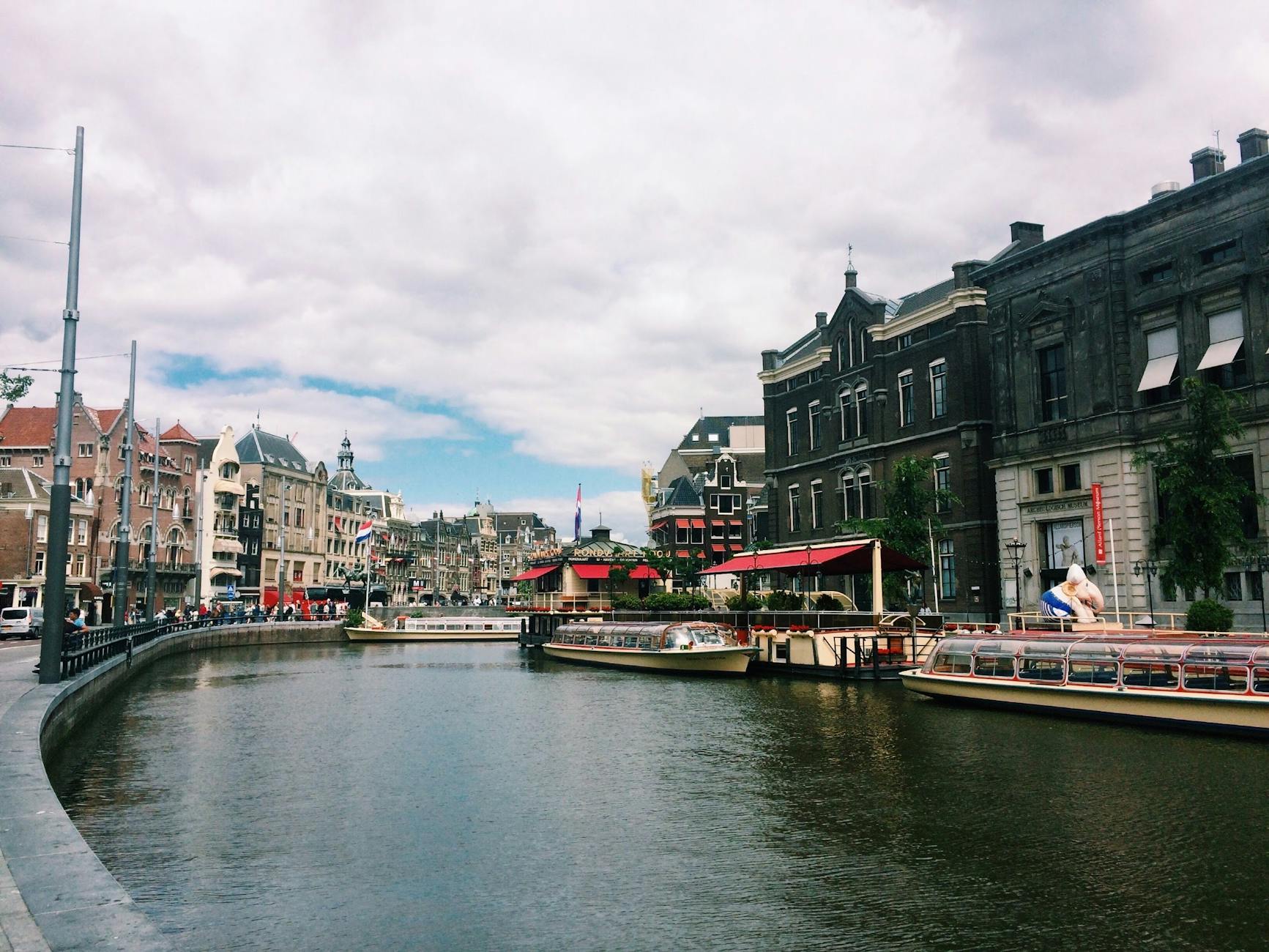
Amsterdam, the capital of the Netherlands, is renowned for its picturesque canals, historic architecture, and vibrant cultural scene. Located in the western part of the country, the city is famous for its artistic heritage and lively atmosphere. Amsterdam offers a unique blend of modern innovation and rich history, making it a popular destination for travelers and locals alike. Its bike-friendly streets and diverse neighborhoods contribute to its dynamic and welcoming character.
Amsterdam Key Statistics Overview
Amsterdam Population Statistics
Amsterdam has a population of 1,073,736 in 2024, showing a growth of 7.7% over the past five years. This growth rate outpaces Manchester, which has increased by 3.6% in the same period. The city covers an area of 344 km², resulting in a population density of 3,117 people per square kilometer. Compared to other cities in the country, Amsterdam is 191% more densely populated than Rotterdam and The Hague. However, it remains 21% more spacious than the European average, with cities like Barcelona and Turin having significantly higher densities.
Population Over Time
Chart loading...
Population Density Over Time
Chart loading...
Amsterdam Employment & Jobs Data
In 2024, Amsterdam's unemployment rate stands at 4.8%, which is below the European average. The city has shown a stronger improvement in reducing unemployment compared to other Dutch cities such as Rotterdam, where the rate decreased by 23.6%, and Utrecht, with a 34.4% reduction. This trend highlights Amsterdam's relatively positive job market performance within the country. The data indicates a steady recovery and better employment conditions in Amsterdam compared to these cities. Overall, Amsterdam maintains a favorable position in terms of job metrics compared to both national peers and the European average.
Unemployment Rate Over Time
Chart loading...
Activity Rate Over Time
Chart loading...
Amsterdam Tourism & Visitor Statistics
In 2014, Amsterdam recorded 12,538,000 tourism nights, indicating high tourism activity. This figure significantly outperforms other Dutch cities such as Rotterdam and Utrecht, both of which reported no tourism nights. Compared to the European average, Amsterdam's tourism nights are substantially higher, reflecting its status as a major tourist destination. The city's ability to attract a large number of overnight visitors highlights its importance within the national tourism sector. Amsterdam continues to lead in tourism metrics among cities in the Netherlands.
Tourism Nights Over Time
Chart loading...

Amsterdam Environment & Air Quality Data
Amsterdam's PM10 concentration in 2013 was 20.6 µg/m³, which is within EU limits for air quality. The city has shown more improvement in reducing PM10 levels compared to other Dutch cities such as Rotterdam and Utrecht, where no improvement was recorded. Amsterdam's air pollution levels are aligned with environmental standards set across Europe. This indicates progress in managing air quality relative to both national peers and the European average. Overall, Amsterdam demonstrates positive trends in addressing airborne particulate matter.
Air Quality (PM10) Over Time
Chart loading...
Amsterdam Statistics Summary
Amsterdam stands out as a dynamic capital blending rich history with modern innovation, attracting over a million residents and millions of tourists annually. Its thriving job market and steady population growth underscore a robust economy, while its commitment to maintaining air quality reflects ongoing environmental progress. With a unique urban character shaped by vibrant neighborhoods and sustainable transport, Amsterdam continues to lead among Dutch cities in livability and appeal. This combination makes it a prominent European city for residents, visitors, and businesses alike.