
London: Balancing Growth & Sustainability
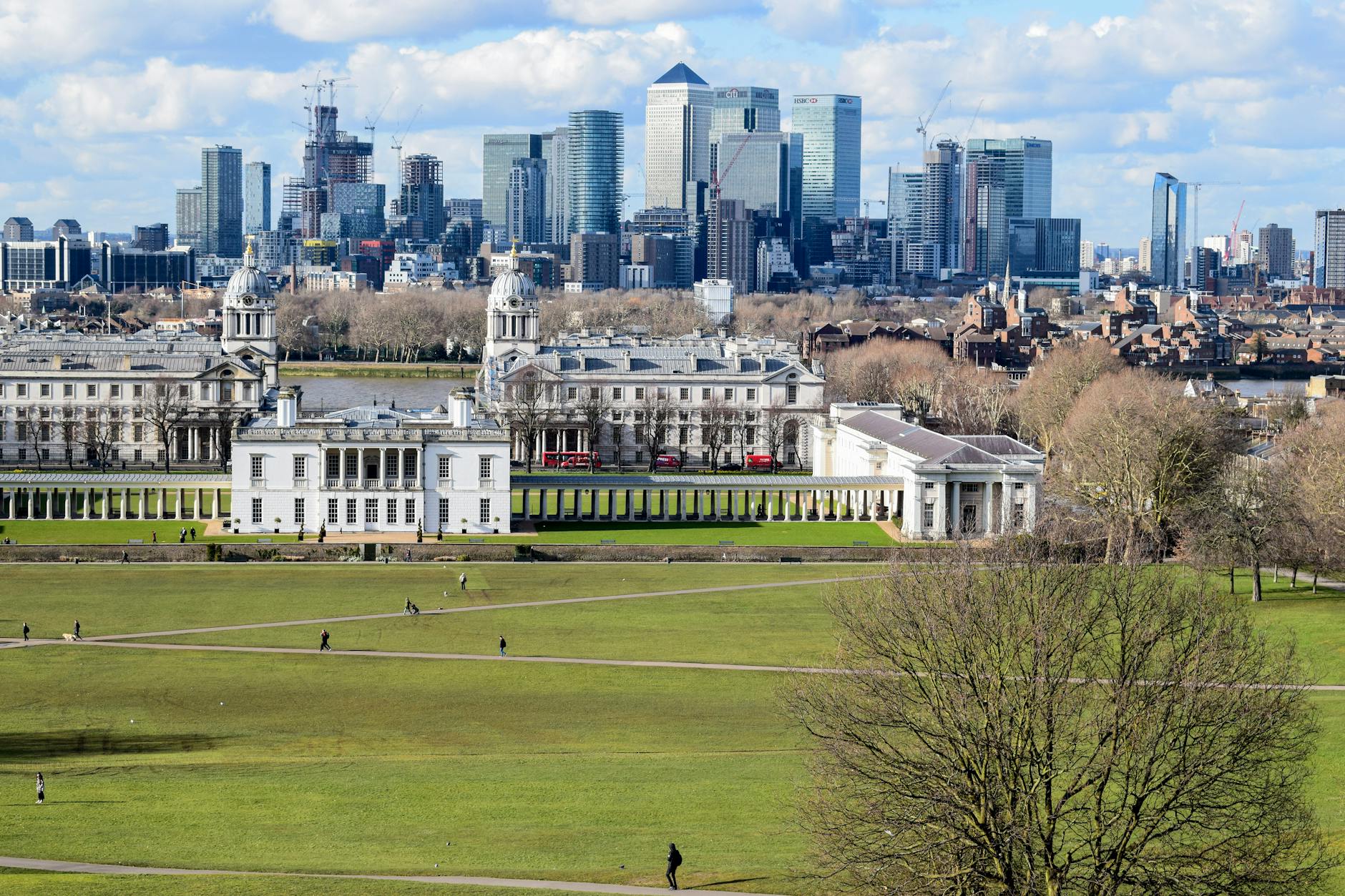
London is the vibrant capital of the United Kingdom, known for its rich history and iconic landmarks such as the Tower of London and Buckingham Palace. Located along the River Thames, the city blends historic charm with modern innovation. London is a global hub for finance, culture, and the arts, attracting visitors from around the world. Its diverse neighborhoods offer a unique mix of tradition and contemporary life.
London Key Statistics Overview
London Population Statistics
London had a population of 8,866,541 in 2018, showing a growth of 6.0% over the previous five years. This indicates a growing population trend. Compared to Paris, which experienced a 1.4% growth in the same period, London's population growth is significantly higher. The city's population size and growth rate are notable when considered alongside other major European cities. Compared to the European average, London’s population growth rate is above average.
Population Over Time
Chart loading...
London Employment & Jobs Data
In 2018, London had an unemployment rate of 5.0%, which was below the European average. However, the unemployment rate in London was deteriorating faster compared to other cities in the same country, such as Birmingham, where it decreased by 36.5%, and Manchester, where it decreased by 48.6%. This indicates that while London’s unemployment rate remained relatively low, its job market faced more challenges in improvement than these other cities. Overall, London’s employment situation showed a mixed trend with a low unemployment rate but slower progress in reducing unemployment.
Unemployment Rate Over Time
Chart loading...
Activity Rate Over Time
Chart loading...

Photo by ALENA MARUK on Pexels
London Environment & Air Quality Data
In 2013, London had a PM10 concentration of 18.5 µg/m³, which is within EU limits for air pollution. The city has shown significant improvement in reducing PM10 levels, with a decrease greater than that of Birmingham and Manchester, which saw reductions of 42.9% and 44.4% respectively. Compared to the European average, London's air quality is better in terms of PM10 concentration. This trend indicates progress in managing air pollution relative to other major cities in the country. Overall, London demonstrates positive environmental developments in air quality.
Air Quality (PM10) Over Time
Chart loading...
London Statistics Summary
London stands as a dynamic metropolis combining historic landmarks with modern growth, reflected in its rising population and status as a global center for finance and culture. Despite a relatively low unemployment rate, the city faces challenges in accelerating job market improvements compared to other UK cities. Environmentally, London has made notable strides in improving air quality, outperforming many peers in reducing pollution levels. Together, these factors highlight London’s ongoing evolution as a vibrant, growing, and progressively sustainable capital.